Researchers@Brown
Researchers@Brown
Search
Search
Search
Advanced search…
Manage your Profile
Previous
1
-
3
of
3
search results
Next
Searched for:
Russell Church
Remove search term Russell Church
Results
Fully-matching results
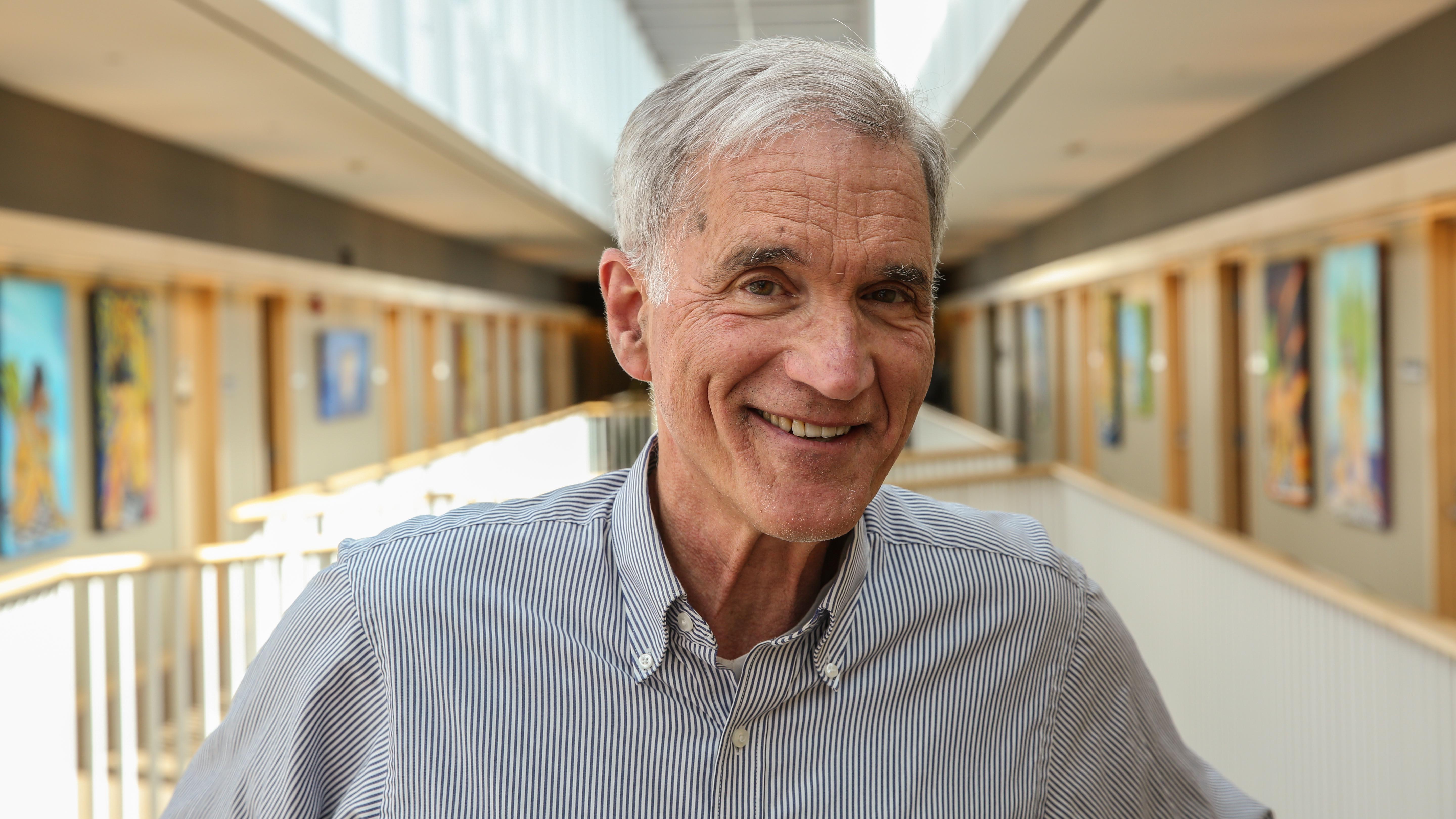
David I Kertzer
Paul R. Dupee, Jr. University Professor Emeritus...
Search matches
Email researcher
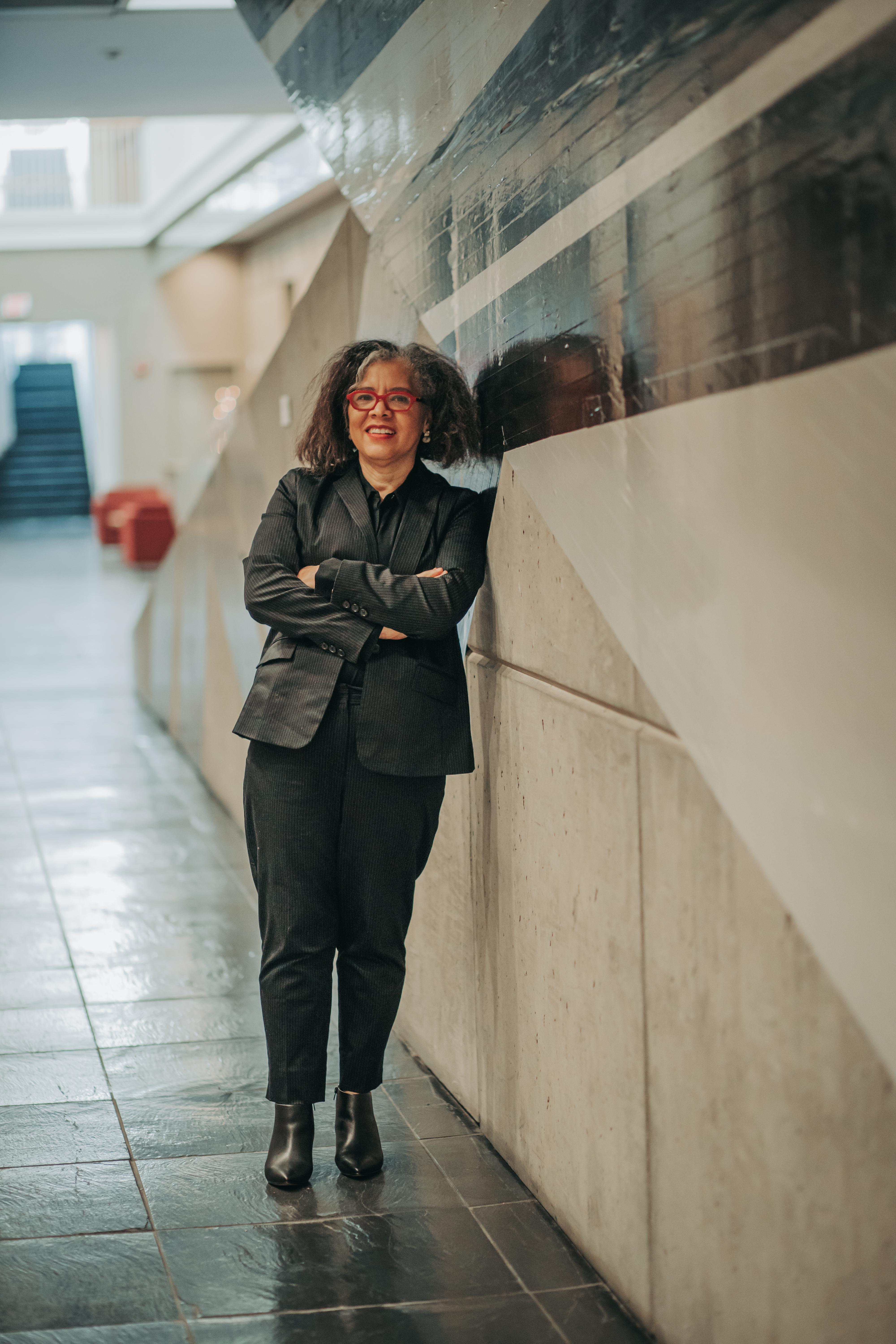
Katherine Tate
Professor of Political Science
Search matches
Email researcher
Barton L St Armand
Professor Emeritus of English and American Studies
Search matches
Email researcher
Pagination
1
Refine
Type
PEOPLE
(
3
)
Brown Affiliations
American Studies
(
1
)
Anthropology
(
1
)
English
(
1
)
International and Public Affairs
(
1
)
Italian Studies
(
1
)
Political Science
(
1
)
Research Areas
Catholic Church and Jews
(
1
)
Demography
(
1
)
Italian history
(
1
)
Italian politics
(
1
)
Italy
(
1
)
Vatican
(
1
)
politics and symbols
(
1
)
Published In
American Politics Research
(
1
)
Contemporary Sociology: A Journal of Reviews
(
1
)
Continuity and Change
(
1
)
Du Bois Review: Social Science Research on Race
(
1
)
Education and Urban Society
(
1
)
European Journal of Population/Revue européenne de Démographie
(
1
)
Journal of Jesuit Studies
(
1
)
Journal of Modern History, The
(
1
)
Journal of Modern Italian Studies
(
1
)
National Review of Black Politics
(
1
)
More…
×
Published In
1
false
Loading...